Spend smarter,
travel longer.
Track Expenses Before You Go
Set a realistic daily budget based on your destination before departure. Use apps like Trail Wallet or a simple spreadsheet. Knowing your baseline prevents the end-of-trip money panic — and teaches you what matters.

Choose Accommodation Wisely
Dorm beds in social hostels save $30–80/night and offer built-in social opportunities. For privacy on a budget, guesthouses and Airbnb rooms beat hotels significantly. Avoid solo supplements by booking flexible accommodation.
Eat Local
Street food, local markets, and neighbourhood restaurants frequented by locals are almost always cheaper and better than tourist-area restaurants. Follow the lunch crowd, not the restaurant touts. A hawker meal in Singapore or a market lunch in Oaxaca is the real experience.
Use Public Transport
Overnight trains and buses combine transport with accommodation. City metro systems are a fraction of taxi costs. In Southeast Asia, long-distance buses are cheap, comfortable, and culturally rich. Flights should be a last resort, not a default.
Travel Slow
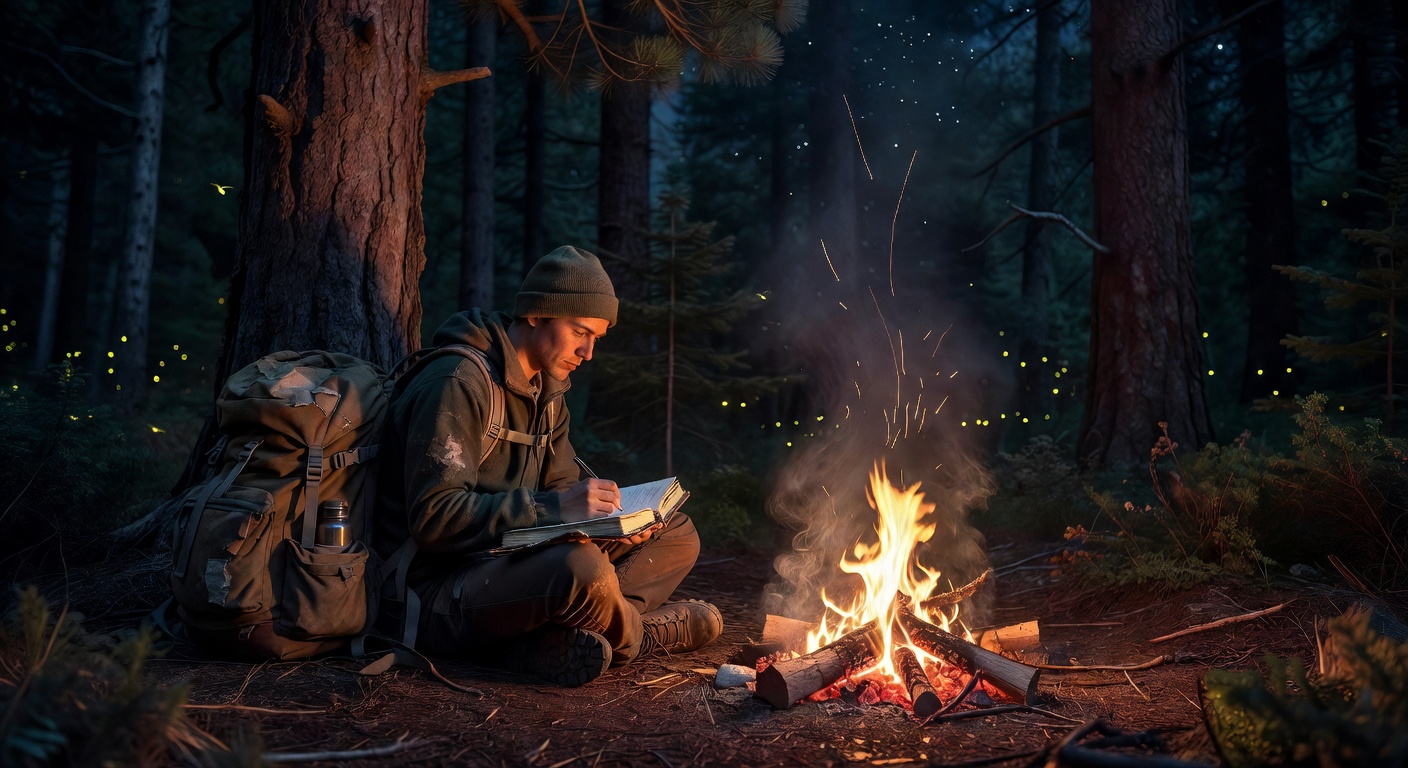
Moving to a new city every two days is expensive. Transport costs, booking fees, and adjustment time drain your budget and your energy. Spend a week or two in one place. You'll spend less, connect more, and understand more. This is also when the best moments happen.
Work & Travel Options
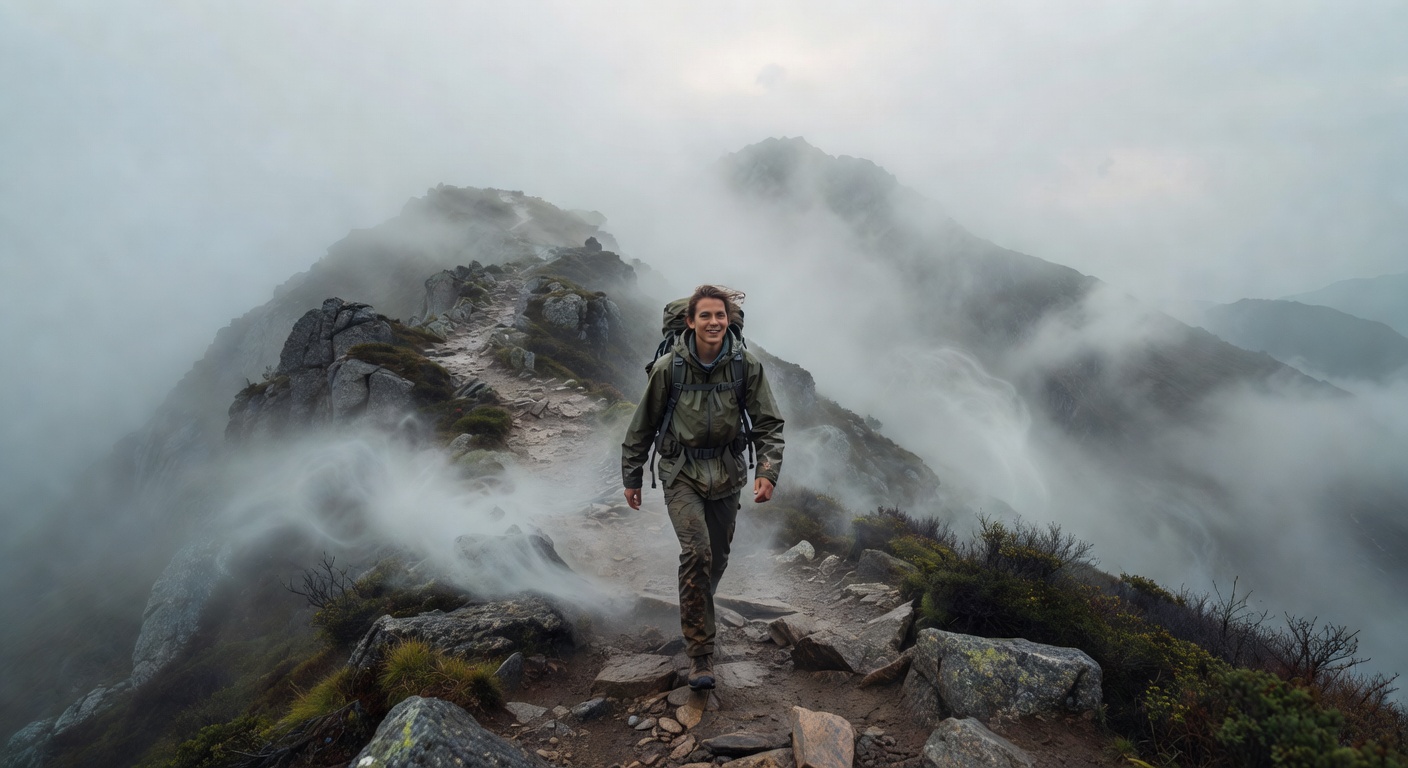
Working holiday visas (available in Australia, New Zealand, Canada, Japan, and others) let you legally earn while traveling. Remote freelance work, teaching English, or working in hostels extends trips indefinitely — and creates the deepest travel connections of all.
Real daily budgets
by region
Budget ranges per day (USD) for a solo traveler on a moderate budget. Includes accommodation, food, local transport, and activities.